
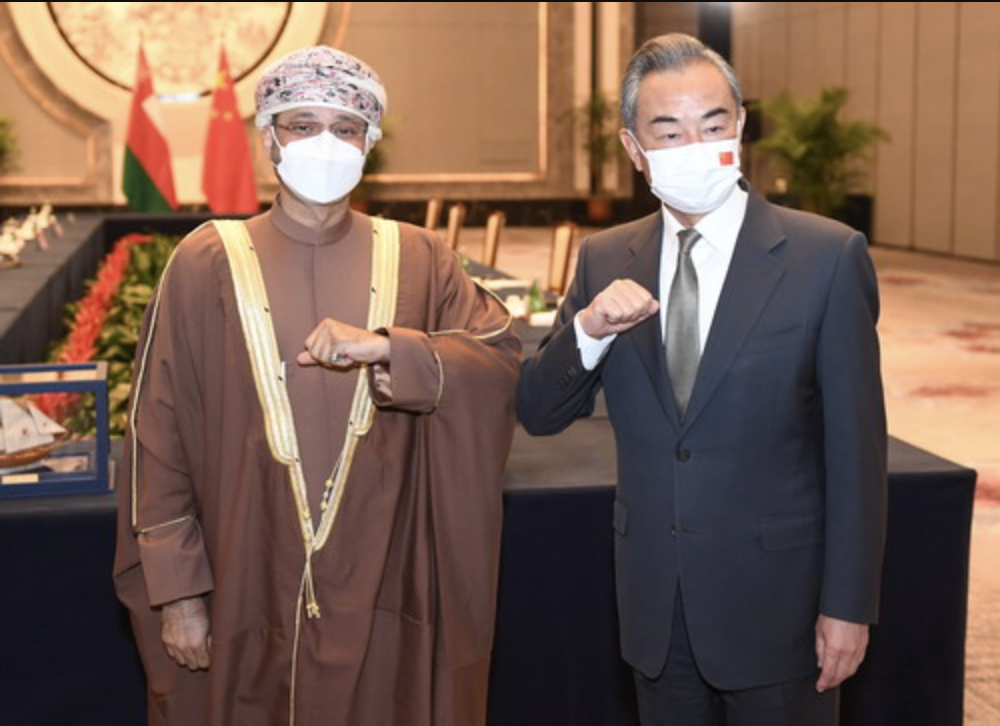
When China’s foreign policy met Oman’s regional development plans
When Qaboos bin Said assumed the throne of Oman in 1970, he had a grand vision to modernize the Sultanate. He built roads connecting the capital, Muscat, with the rest of the territory, and in the 1990s he divided the country into a series of governorates with regional capitals to create a network of medium sized urban areas. And yet, Muscat seemed to capitalize the most from all these policies. Today, the sprawling metropolis counts 1.7 million people of the approximately 5.5 who live in the Sultanate. That means that almost one in three Omani residents live in Muscat. However, Qaboos’s cousin and successor, Sultan Haitham, may be witnessing how the winds of change are blowing… from China. And one of the main culprits might be solar energy.
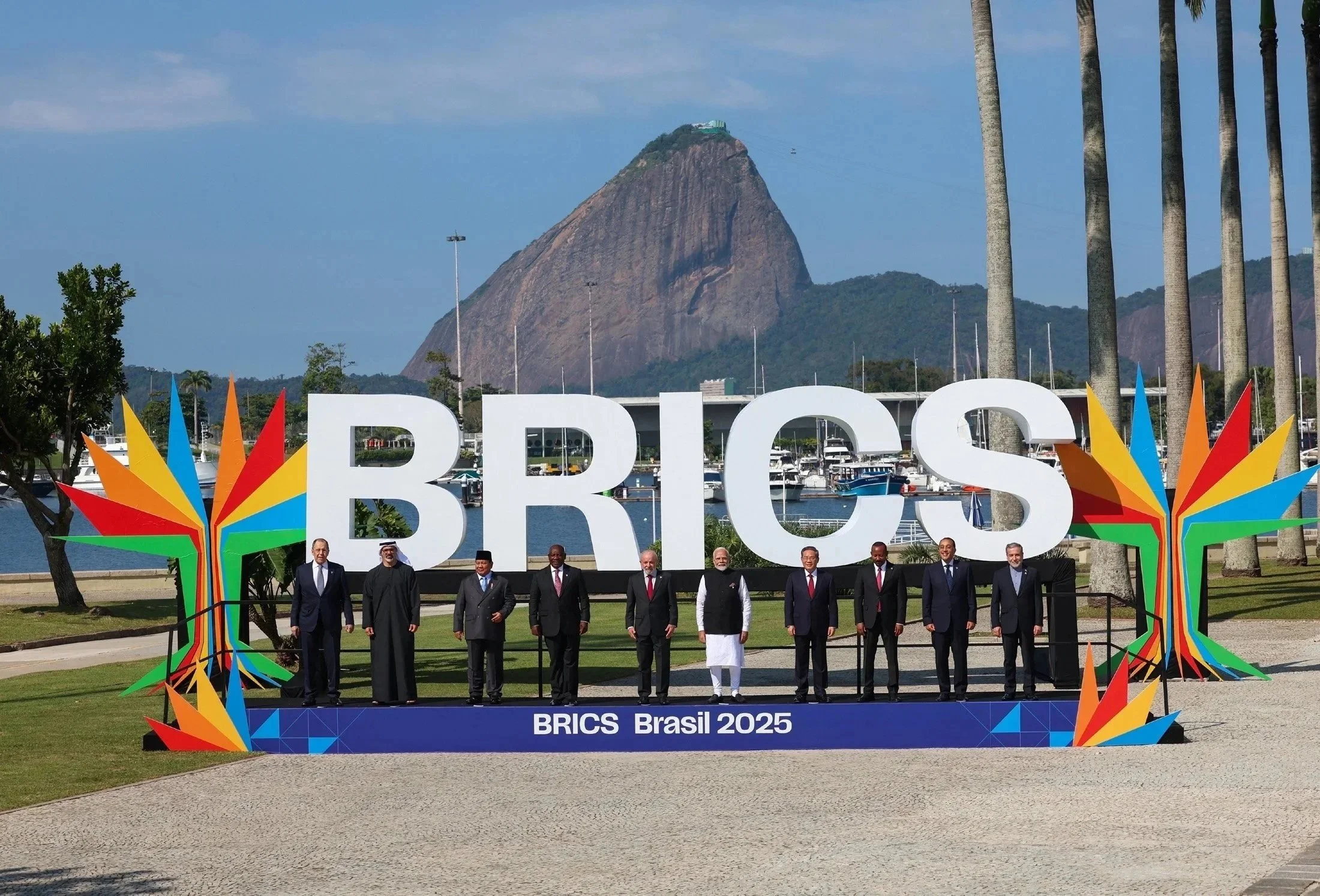
US Imperialism at Risk? Rising Chinese-Egyptian Cooperation
In January 2024, Egypt formally became one of the newest members of BRICS. An acronym for its founding emerging economies (Brazil, Russia, India, China and South Africa), BRICS is an international organization that promotes cooperation between its members in various domains and is one of the most prominent examples of South-led cooperation. Egypt’s accession, alongside other countries including Saudi Arabia and the United Arab Emirates, came as part of Chinese efforts to expand BRICS membership in favor of a broader BRICS+. It was also against the backdrop of Egypt’s acceptance as a member of BRICS’ New Development Bank in 2023
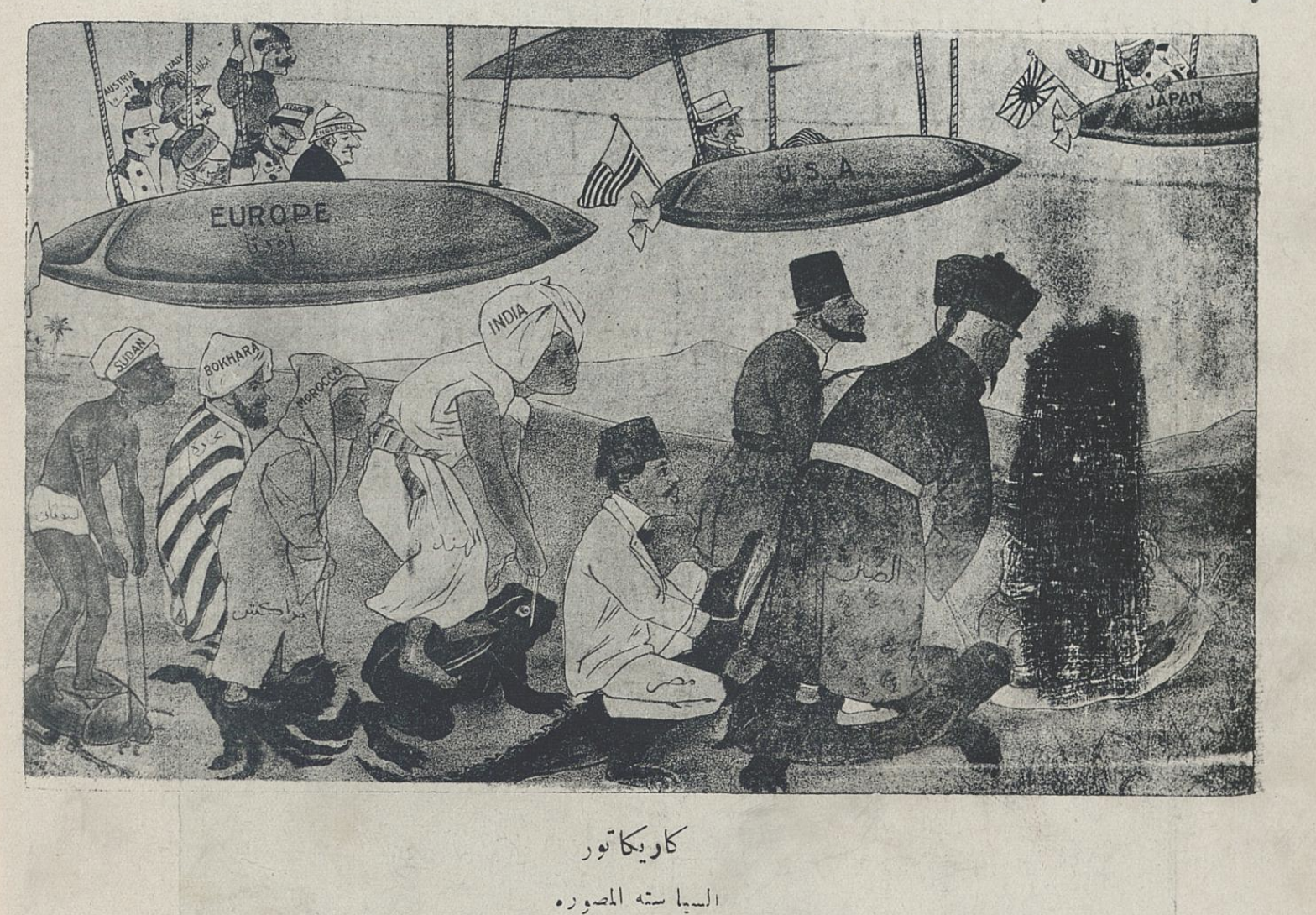
Rethinking Regions in a Time of War: Afghanistan and the “Middle East”
When the US-Israeli war on Iran began on February 28, 2026, the news media was quick to bill it as a “War in the Middle East.” Afghanistan was mentioned in political circles only as yesterday’s war: For detractors, it was a cautionary tale against regime change, for supporters, a juxtaposition that this intervention would be waged differently. In this discourse, Afghanistan is not part of the war, but peripheral to it, as it is to the region of the Middle East.
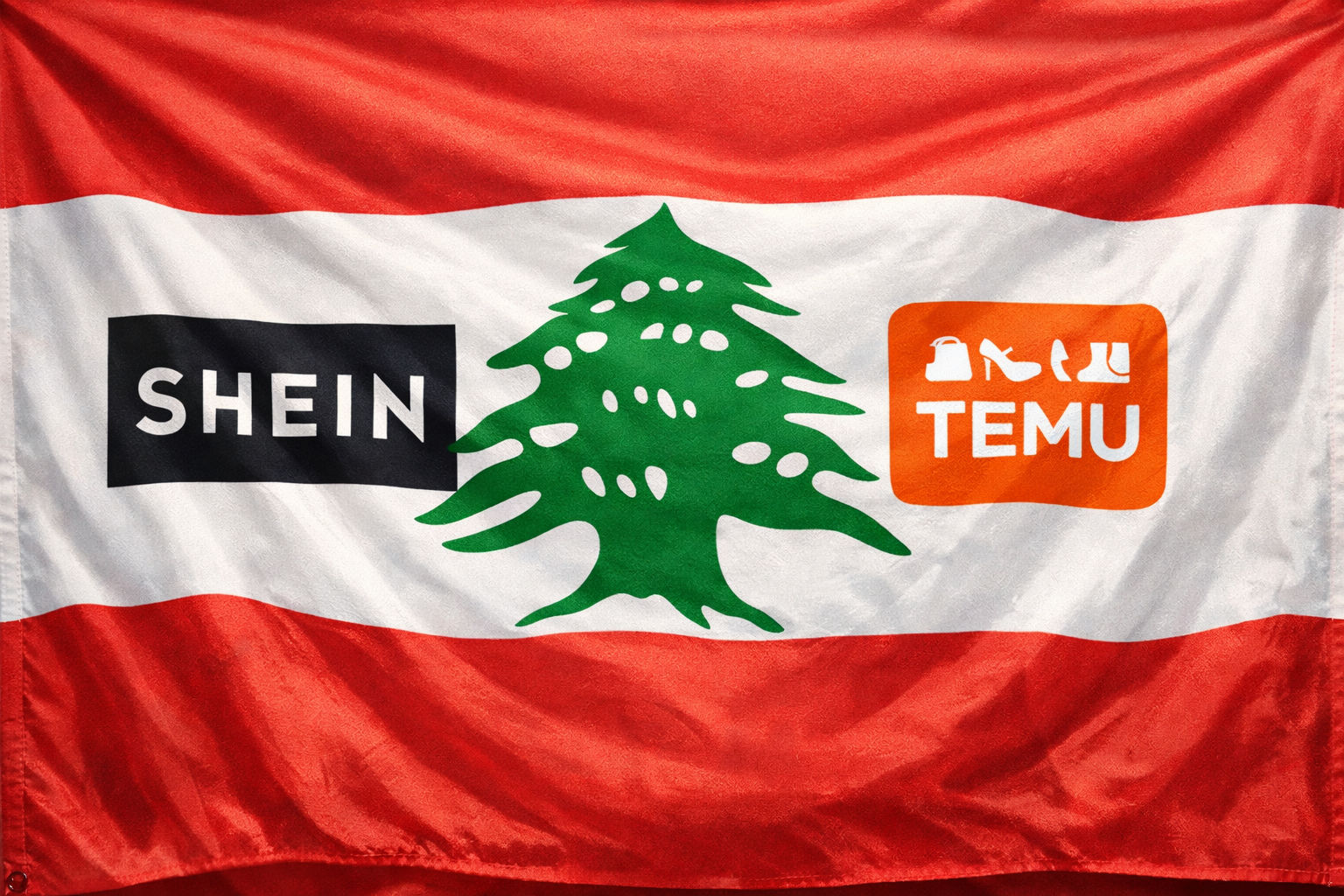
The China-Lebanon Nexus: Between Economic Healing and Engulfment
The Lebanon-China trade deficit is enormous, growing from nearly $1 billion in the late 2010’s to hover around 2$ billion in 2024. For a country whose imports reach nearly 90% of GDP, this means Chinese goods are flooding Lebanon’s shelves. In fact, trade ties between the two states have been growing year on year (sans COVID-era) which raises the question: what could the impact of this be on Lebanon and the Lebanese economy?

Arab Humanitarian Workers and their Reception of Chinese Aid
Our concluding blog from the Mapping Connections Institute is written by Diana Ishaqat, a development practitioner from Jordan, who discusses the nature and perception of Chinese aid to the Arab world

How Green Energy is bringing Oman and Saudi Arabia together: China, the Solar Plant of Ibri II, and the Rubaʿ al-Khali Corridor
In this blog from the Mapping Connections Institute, Javier Guirado Alonso examines China's involvement in Oman's Ibri II solar plant, and the implications for Saudi-Oman relations

The ‘Chinese Scare’: Marble and Granite Manufacturing Networks in Egypt
In this blog from the Mapping Connections Institute, Noura Wahby and Sijia Zhao explore the significant role of entrepreneurs from the Chinese diaspora in the granite and marble industry of Shaq AlThoban, or 'Snake Valley', Egypt

Mandarin Cool: A Footnote to the UAE’s Nation Branding
In this new blog from our Mapping Connections Institute, Xinyu Lin discusses the 'Hundred Schools Project' in the UAE, a program to incorporate Mandarin into the UAE's national educational curriculum, from public kindergarten to state high school

A Forgotten Microhistory in the Era of the Belt and Road Initiative: Sawt al-Arab (June 2013 - June 2017) and Arab Elite Sojourners in China
In this new piece, Mapping Connections Early Career Researcher Jie Wang explores the history and meaning of a unique Arabic-language magazine, Sawt Al-Arab, which was published between 2013 and 2017 by a group of Arab diaspora residents living in China

الرحلات السياحية الصينية المنظمة بتونس: ارتفاع في الأعداد ومشاكل في الجدوى
In our second Arabic-language blog from the Mapping Connections Institute, Oussama Dhiab explores the scale of organised Chinese tours to Tunisia and some of the challenges that these present

التمدد الصيني في الفضاء المغاربي عبر مبادرة الحزام والطريق: مشاريع البنية التحتية في الجزائر
In this Arabic language blog from the Mapping Connections Institute, Nassiba Tamma from the University of Boumerdes in Algeria explores China's infrastructure expansion in the Maghreb, with a particular focus on Algeria.

Thinking about Student Movements Across West and East Asia
In this next blog from our Mapping Connections Institute, Muntaha Abed reflects on the importance of studying the shared experiences of student movements across West and East Asia
Sino-Arab Film Weeks: People’s Diplomacy and a Cinematic Bridge in the Cold War Era
In this further instalment of blogs from our Mapping Connections Institute, Ying Huang explores the significance of Sino-Arab film weeks in building closer relationships at the popular level between China and the Arab world during the 1950s and 1960s

The China Factor: Hedging, Balancing and Bandwagoning Strategies of the United Arab Emirates and Kingdom of Saudi Arabia in a Changing World Order
In this fourth blog from our Mapping Connections Institute, Hala Abi Saleh discusses different ways of thinking about how Saudi Arabia and the UAE perceive their fast developing relationships with China

Connecting Stories: The Role of Memory Narratives in Promoting the Chinese Belt and Road Initiative in the Arab Region
This next instalment of blog pieces developed by participants at the Mapping Connections Institute presents an analysis of China's memory narratives and their role in supporting Sino-Arab diplomatic and economic initiatives. It is written by Abdelhamid Mecheri, a Lecturer at Boumerdes University (UMBB), Algeria

How might cooperation with China in the field of Artificial Intelligence affect the geostrategic balance in the Middle East?
In our second blog from the Beirut Mapping Connections Institute, we present an analysis by Samir Ramzy on the impact that competition around Artificial Intelligence might have on the balance of power in the region.

In the Middle East, the Old Is Dying and the New Cannot Be Born
Over the coming weeks, we will be presenting blogs written by participants at the Mapping Connections Institute, held in Beirut between 27-30 May 2024 as part of the Inter-Asia Partnership's (IAP) 'Inter-Asia Week'. The first of these explores the new regional dynamics of the Middle East in light of the war in Gaza and heightening US-China rivalries.

Beijing and Bazaars: Sino-Iranian Relations through Ethnographic Shadows
In an unassuming store deep in the heart of Tehran’s covered marketplace, or bazaar, I was chatting with an apprentice. Our conversation was focused on the growing role played by new kitchenware and glassware commercial hubs located outside the bazaar. The animated well-groomed man, who I assumed was in his early 20s, lacked experience, but was a willing interviewee. After a few minutes, however, he redirected our conversation away from my interest in the bazaar’s emerging wholesaling and retailing competitors to several bazaaris within the cavernous historic marketplace sourcing their wares from China.

Why Study China and Iraqi Kurdistan?
China is emerging as an important actor in the Middle East. The relationship is becoming more visible through goods, trade, infrastructure, diplomatic summits, and soft power. The literature on China and the Middle East is also expanding rapidly but is primarily focused on state-to-state or state-to-region (Middle East, MENA) relationships. Nevertheless, China’s relationship to the region is not limited to states or regions; in addition to these, China also cultivates and enhances its relationship with non-state actors, political parties, and civil societies.

China and the Gulf at COP27
The politics of COP27 ran along at least three separate tracks: First, there were the ministerial negotiations and meetings taking place in buildings with additional layers of security and all too frequently closed to the regular attendees. Second, there were the activists, NGO representatives and other state and international officials presenting on panels in the main part of the grounds and in the exhibition halls