Mapping Connections: China and Contemporary Development in the Middle East
A research project based at the University of Exeter’s Institute for Arab and Islamic Studies, supporting and mentoring Early Career scholars working on the Middle East’s evolving relationship with China.
Project Updates
Publications, events, talks and news
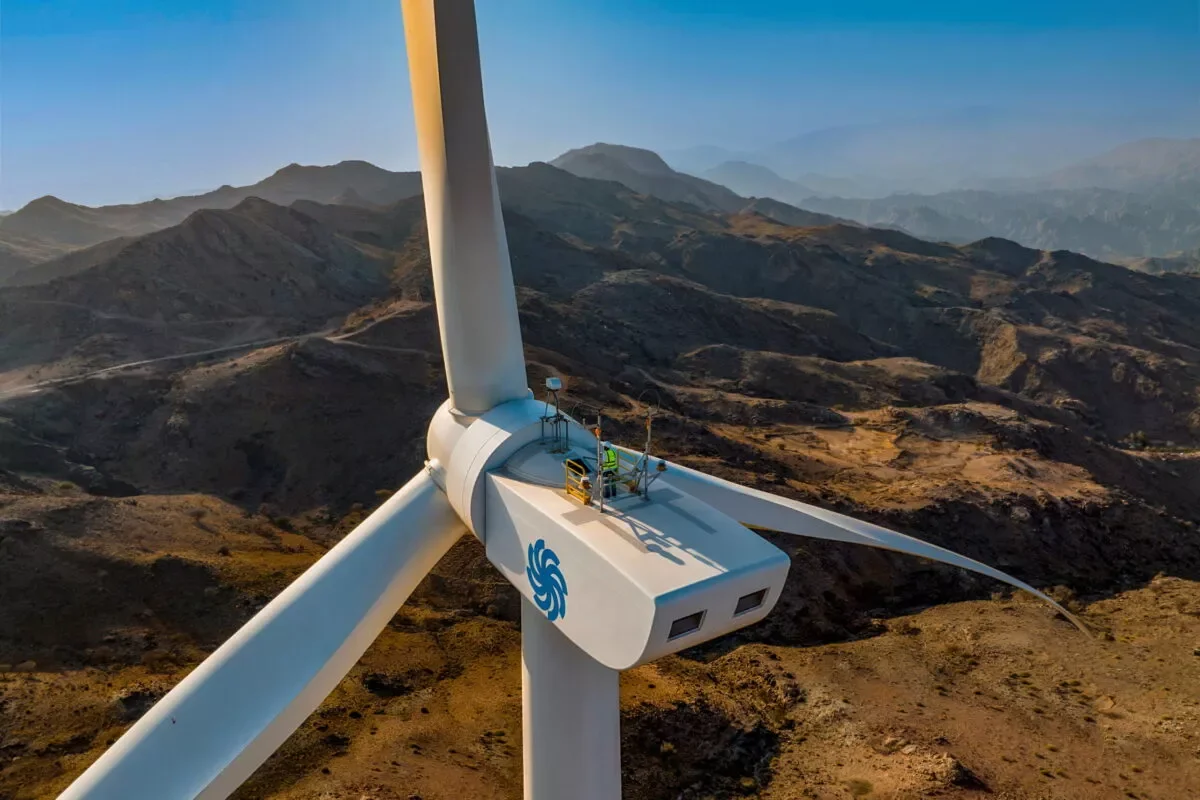
When Qaboos bin Said assumed the throne of Oman in 1970, he had a grand vision to modernize the Sultanate. He built roads connecting the capital, Muscat, with the rest of the territory, and in the 1990s he divided the country into a series of governorates with regional capitals to create a network of medium sized urban areas. And yet, Muscat seemed to capitalize the most from all these policies. Today, the sprawling metropolis counts 1.7 million people of the approximately 5.5 who live in the Sultanate. That means that almost one in three Omani residents live in Muscat. However, Qaboos’s cousin and successor, Sultan Haitham, may be witnessing how the winds of change are blowing… from China. And one of the main culprits might be solar energy.
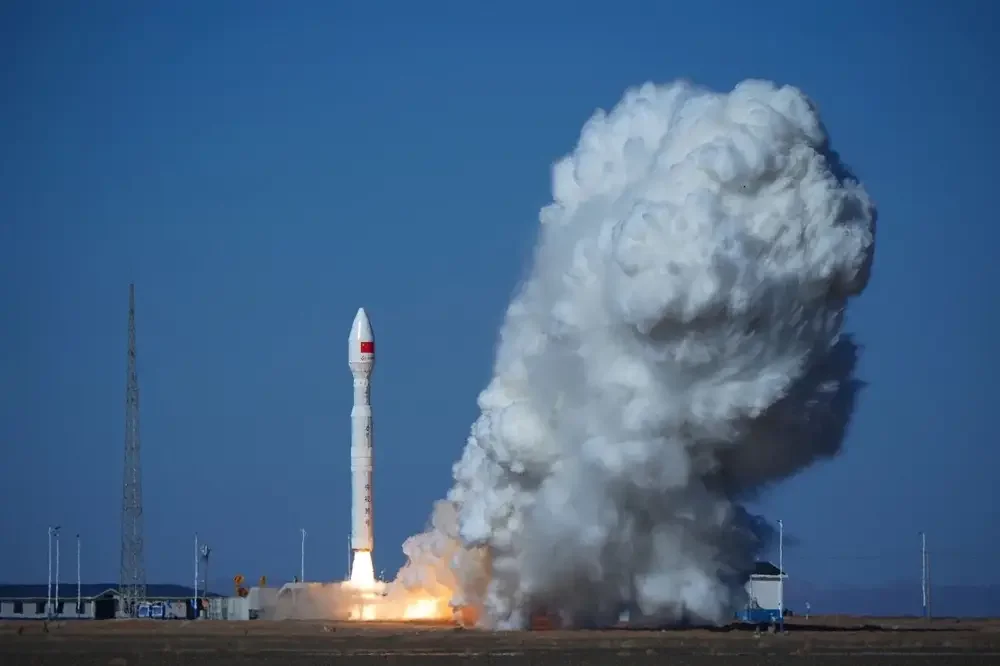
In November 2024, Oman launched its first AI-powered satellite, Oman Lens-1 (OL-1), in partnership with STAR.VISION Aerospace Group, the first Chinese private aerospace firm to deliver a complete satellite and ground system to a foreign state (Foreign Ministry of Oman 2024). Equipped with onboard AI processing, OL-1 classifies targets, detects environmental change, and compresses data in orbit. It has already demonstrated real-time recognition of ships and aircraft. Framed by its developers as part of a "Space Silk Road," OL-1 is often presented, in both state and corporate narratives, as a story south-south partnership (China News Service 2024).
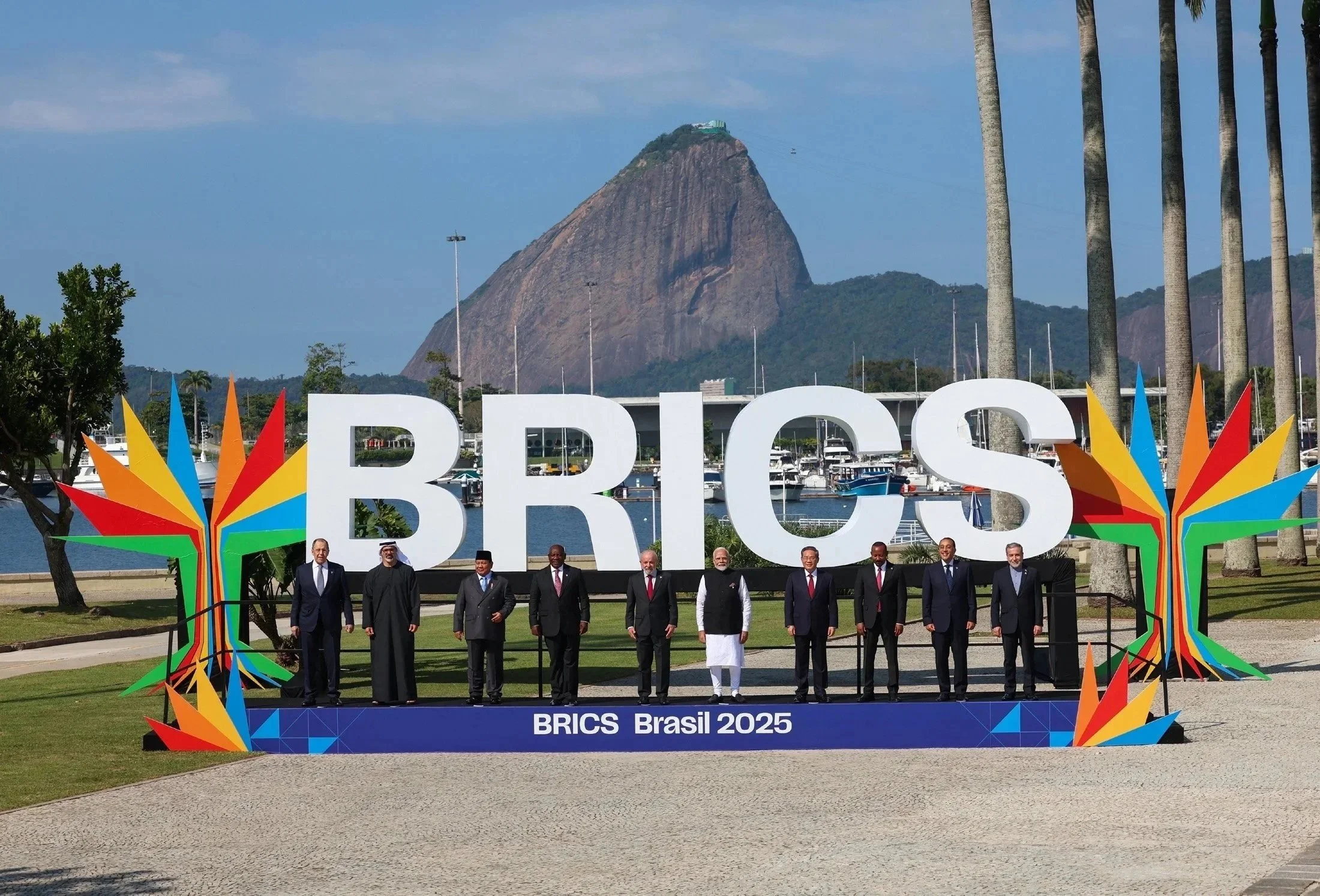
In January 2024, Egypt formally became one of the newest members of BRICS. An acronym for its founding emerging economies (Brazil, Russia, India, China and South Africa), BRICS is an international organization that promotes cooperation between its members in various domains and is one of the most prominent examples of South-led cooperation. Egypt’s accession, alongside other countries including Saudi Arabia and the United Arab Emirates, came as part of Chinese efforts to expand BRICS membership in favor of a broader BRICS+. It was also against the backdrop of Egypt’s acceptance as a member of BRICS’ New Development Bank in 2023
When the US-Israeli war on Iran began on February 28, 2026, the news media was quick to bill it as a “War in the Middle East.” Afghanistan was mentioned in political circles only as yesterday’s war: For detractors, it was a cautionary tale against regime change, for supporters, a juxtaposition that this intervention would be waged differently. In this discourse, Afghanistan is not part of the war, but peripheral to it, as it is to the region of the Middle East.
The Mapping Connections Project is pleased to announce the recent publication of an article by Jie Wang on China’s soft power and the Chinese teaching and learning in Egypt in the journal Globalisation, Societies and Education.
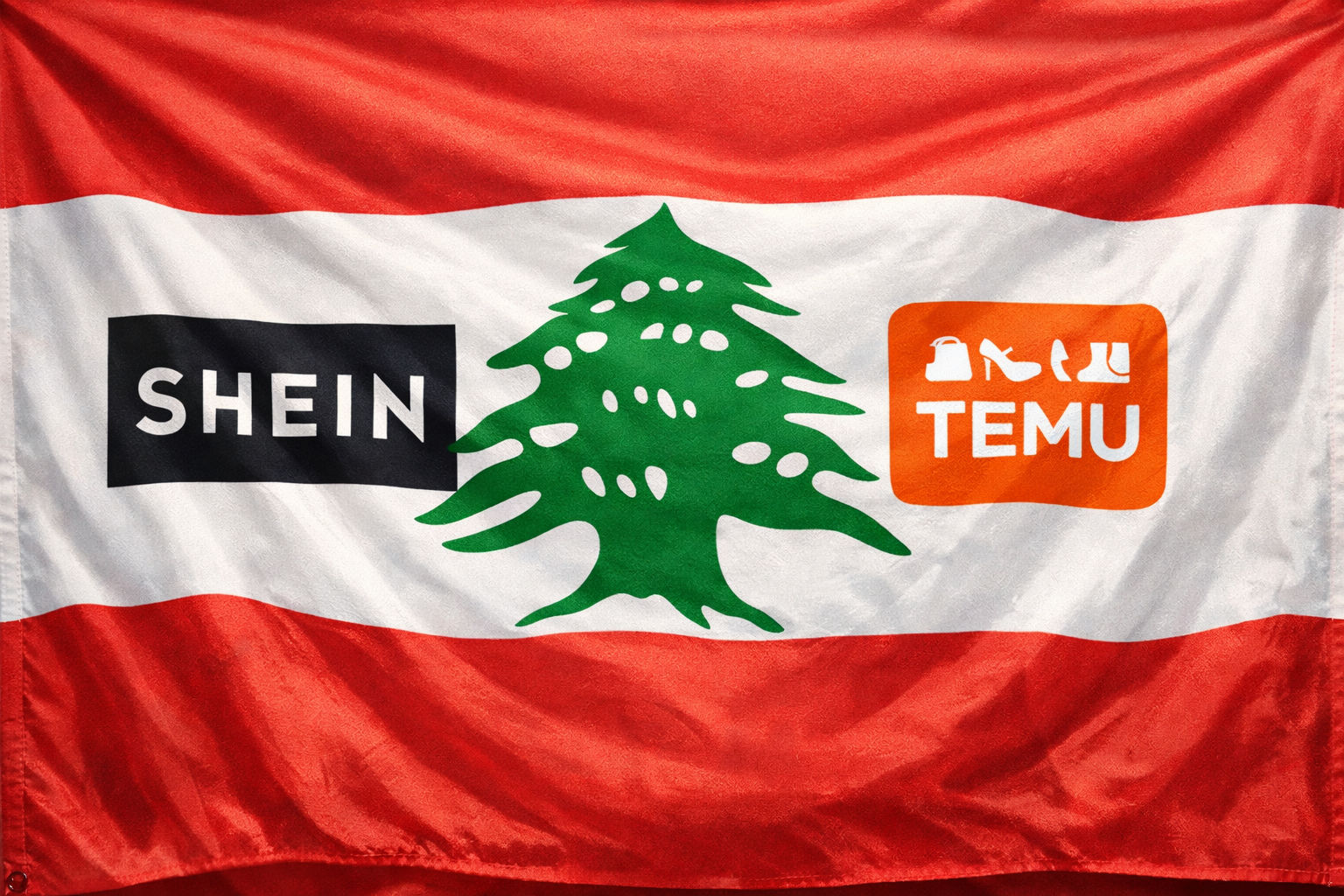
The Lebanon-China trade deficit is enormous, growing from nearly $1 billion in the late 2010’s to hover around 2$ billion in 2024. For a country whose imports reach nearly 90% of GDP, this means Chinese goods are flooding Lebanon’s shelves. In fact, trade ties between the two states have been growing year on year (sans COVID-era) which raises the question: what could the impact of this be on Lebanon and the Lebanese economy?
From 16–19 January, the Mapping Connections project convened a workshop in Beirut in partnership with the Arab Council for the Social Sciences and the InterAsia Project
Listen here to ‘Globalisation from Below: China-Arab trade networks and the remapping of the Middle East’